Switzerland: Exploring reinsurance

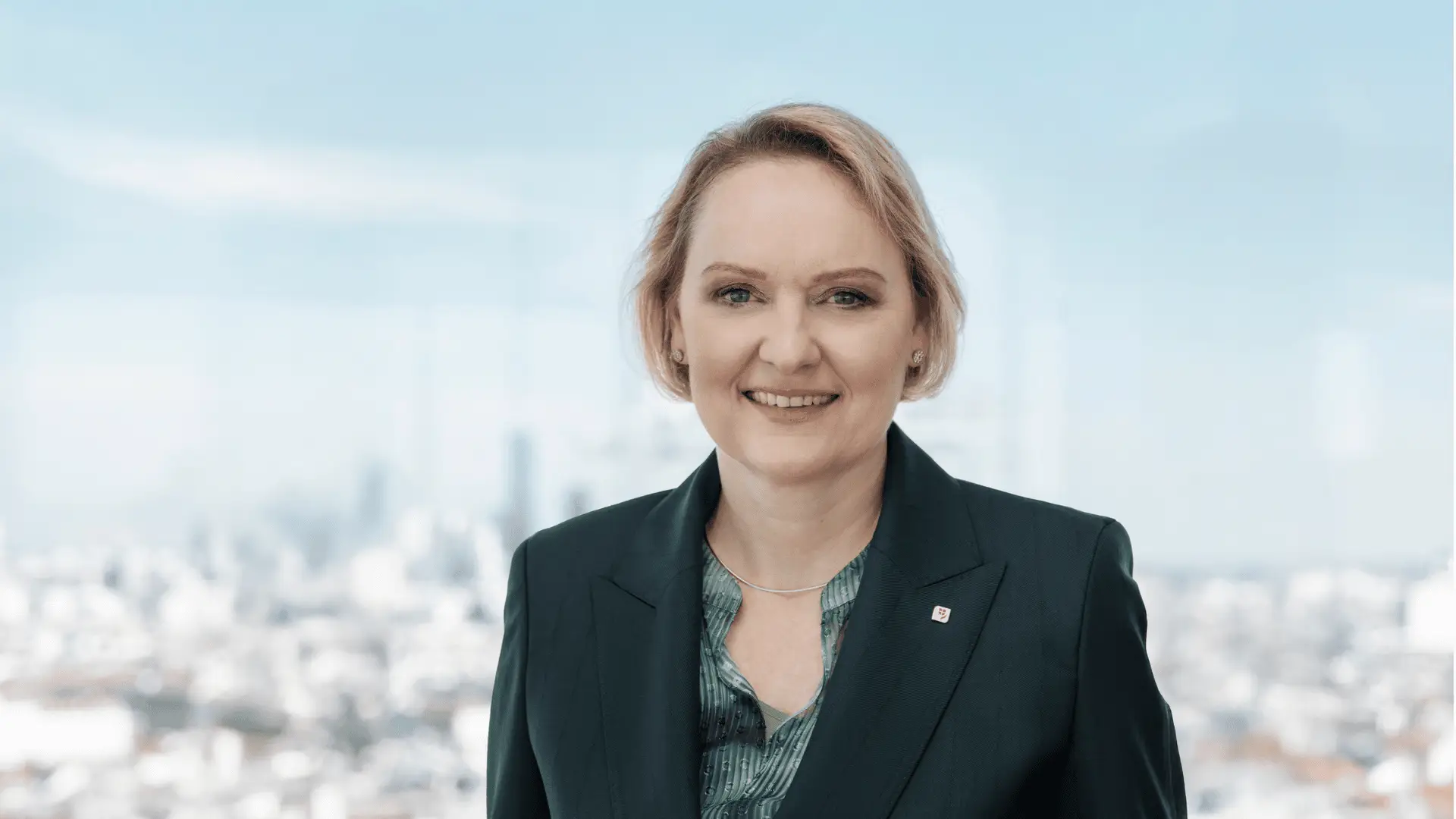
Switzerland has been at the vanguard of Europe’s asset intensive investigations. Daniel Weijand, Supervisory Policy & Legal Expertise at the Swiss Financial Market Supervisory Authority, FINMA, gives his take on where the market might be headed next.

What is the current status of life reinsurance, including asset intensive reinsurance and longevity risk transfer, in Switzerland. Is this something insurers are considering?

Swiss market participants are active in the life reinsurance business. Some reinsurers also provide longevity risk transfer. The involvement of Swiss reinsurers in asset intensive reinsurance transactions was mostly limited to the biometric risk part of these transactions.

Switzerland saw a €300m asset intensive reinsurance (fullrisk co-insurance) deal last year. Could this signal increased acceptance and continued momentum for similar opportunities in the future?

An asset intensive reinsurance transaction involving a Swiss insurer was announced and completed in 2025. How the benefits of this contract compare to its risks is a matter for the parties involved to assess. The responsibility lies with the parties. FINMA required adequate safeguards to ensure the protection of Swiss policyholders, and we would expect similar safeguards to be implemented should additional transactions of this type be brought forward.

Do you see any specific areas of concern with regards to private equity firms becoming involving in insurance?

The IAIS has published several papers addressing the involvement of private equity in the insurance sector. In our view, these publications describe the relevant areas of concern and outline the supervisory approaches used to address them.

Is there any contentiousness to the transfer of local insurance liabilities offshore? Is that a risk you would consider allowing?

Such potential transfers would be evaluated individually, if they are material. There is no incentive for insurers to follow this approach due to the “tied assets” regime which requires Swiss primary insurers to hold gross life insurance reserves locally, removing the capital incentive to transfer liabilities offshore.

What are your key priorities on regulating Swiss life insurers at the moment?

Switzerland has a robust reserving and solvency regime. Our current priorities are particularly transparency and conduct with respect to customers.

Any other key challenges you see on the horizon for Swiss or European life insurers right now that you might be looking at?

The broader macroeconomic environment is challenging for all asset holders, including life insurers, irrespective of their geographical location.

Recent News

Longevity risk in Europe

Longevity reinsurance is booming in the Netherlands. What are the drivers and will the rest of Europe follow suit? What occupation should you pursue if you want to live longest? According to the panel on longevity at Life-Re Europe, librarian

The European consolidation wave

It has been long talked about but consolidation could be coming to Europe in a big way as participants from Viridium and Frankfurter Leben discussed at Life-Re Europe.

The PRA’s funded re clampdown

Has the PRA crashed the funded re market? That is the question many are asking following its recent proposal to hit the UK’s funded re business with a 10% capital charge.

Europe’s need for AIR

Asset intensive reinsurance (AIR) has taken hold in life markets around the world. Europe, though, is a different story. But does Europe really need AIR?

Life-Re Europe 2026 round-up

Life-Re Europe held its first event in April. From longevity to reinsurance, assets to regulations, the forum covered a manifold range of key topics for the European life insurance market.

The Regulators Angle

Regulatory certainty is key to a flourishing life reinsurance market. At Life-Re Europe, regulators showed receptivity to this newly emerging market development.

©2025 Life-Re