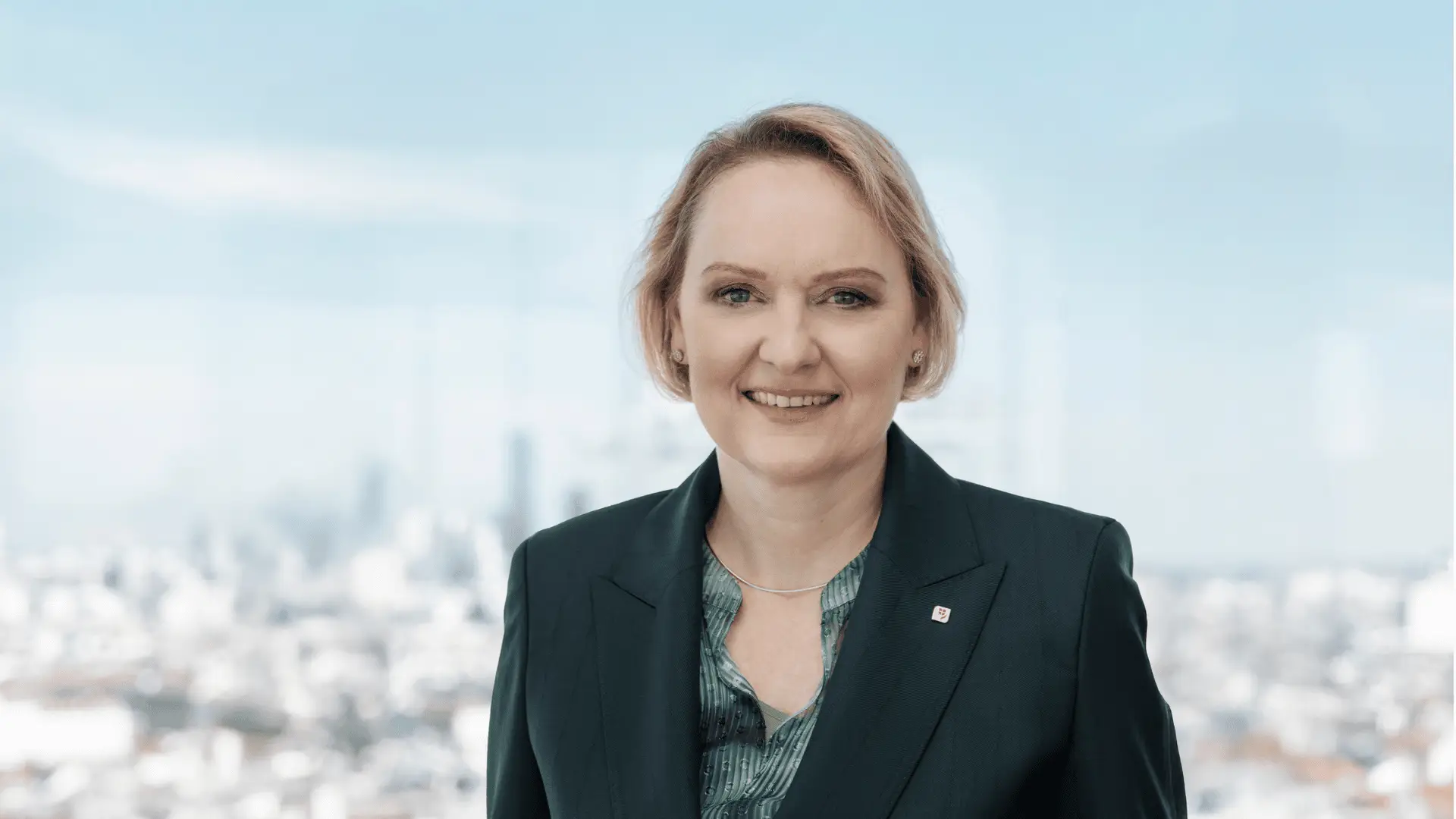
The Value of Curiosity
Liane Hirner, CFRO of VIG, has a strong belief in the merits of listening. It is a trait that has helped her navigate the shifts seen in life insurance in recent years, including macro volatility and the advent of trends
With its occupational benefit focus, which are mandatory for roughly 89% of employees, the Dutch pension market is fairly unique in Europe. And the market has been in a significant transition mode in the last half a-decade. Following the passing of the 2023 Dutch pension act, large numbers of the country’s pension funds have transferred their defined benefit liabilities to insurers via pension risk transfer (PRT). According to the IMF, Dutch pension fund assets amount to around €1.5 trillion, making the Netherlands the fourth largest pension fund market globally in absolute terms. For insurers, the pension buyout market is expected to grow €25 to €30 billion to 2028.
In turn, the PRT growth has given opportunities for international reinsurers to enter into the Dutch market through longevity risk transfers and asset intensive reinsurance. Recent times have seen notable deals from insurers like Achmea, ASR and NN.
The longevity market has flourished in spite of increased regulatory scrutiny by the local insurance regulator, the DNB, which has stipulated any new deals must obtain its consent before they are finalised. While it can take around eight weeks to get deal approval, this has not stymied interest.
“We found it to be fairly positive,” says one longevity reinsurer which has transacted recent deals.
Given the interest in longevity risk transfer, insurers have also been examining the prospects of carrying out asset intensive reinsurance deals. But while the former has flourished, asset intensive reinsurance volumes are yet to take off in the Netherlands. That may be down to an even more diligent focus on this part of the market by the DNB.
Whether things change for asset intensive reinsurance in the Netherlands will depend on the DNB achieving an increased level of familiarity and comfort with the business in future. However, the country could certainly be a model for growth of longevity risk transfer in other European markets.

Liane Hirner, CFRO of VIG, has a strong belief in the merits of listening. It is a trait that has helped her navigate the shifts seen in life insurance in recent years, including macro volatility and the advent of trends

Europe has an €800bn economic investment gap. Alexandra Jour-Schroeder, Deputy Director-General of DG FISMA, European Commission, says European insurers are going to get more opportunities to bridge this.

The Japanese FSA’s nuanced overhaul of its asset intensive reinsurance rules has been welcomed by participants as keeping a key capital-management tool intact for the country’s life insurers. So what do the new rules say?
The Swedish insurance market is a model in innovation, investment and healthy risk-appetite. Countries around Europe are looking to see what they can learn from their Nordic neighbour, as Magnus Vesterlund, Chief Economist at Svensk Försäkring discusses.
Longevity reinsurance is booming in the Netherlands. What are the drivers and will the rest of Europe follow suit?
It has been long talked about but consolidation could be coming to Europe in a big way as participants from Viridium and Frankfurter Leben discussed at Life-Re Europe.
©2025 Life-Re